Hedge Trimming in Mitcham: Keeping Local Gardens Neat, Healthy, and Beautiful
Why Hedge Trimming in Mitcham Matters for Every Property
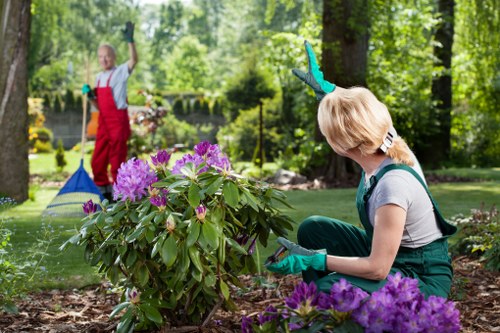
Hedge trimming in Mitcham is more than a routine garden task. It is one of the most effective ways to keep outdoor spaces looking tidy, healthy, and well cared for throughout the year. Whether a property has a small front hedge, tall boundary screening, or a mix of ornamental shrubs, regular hedge maintenance plays a major role in curb appeal and plant health.
In a suburb like Mitcham, where gardens range from established family yards to modern landscapes, well-shaped hedges can make a major difference. A neatly trimmed hedge creates structure, frames the property beautifully, and adds a polished finish to the overall landscape. For homeowners, landlords, and business owners, hedge trimming in Mitcham is often the simple detail that lifts the entire look of a garden.
Healthy hedges also grow better when they are trimmed correctly. By removing overgrowth, encouraging new shoots, and improving airflow, regular hedge cutting helps plants stay dense and vibrant. This is especially important for fast-growing species that can quickly become unruly if left unattended. When hedges are left too long between trims, they can become woody, patchy, and difficult to reshape.
The Value of Professional Hedge Trimming Services

Many property owners begin hedge trimming as a weekend task, but larger hedges and more formal garden designs often benefit from professional attention. Experienced hedge trimming services in Mitcham bring the right tools, timing, and technique to produce clean, even results. A professional hedge trim is not only about appearance; it is also about plant structure and long-term growth.
Skilled hedge maintenance providers understand how to work with different hedge types. Some plants need light shaping, while others require more careful reduction to restore size and balance. A trained gardener can identify where to cut, how much to remove, and when to avoid stress on the plant. This reduces the risk of bare patches, uneven edges, and accidental damage.
For busy households and commercial properties, outsourcing hedge trimming in Mitcham can save time and reduce hassle. It also improves safety. Tall hedges, awkward corners, and hedges near fencing or pathways can be challenging to manage without proper equipment. Professional trimming services help avoid ladder risks, tool injuries, and waste disposal issues, making the process smoother from start to finish.
How Regular Hedge Maintenance Improves Garden Health

Regular hedge trimming is one of the simplest ways to improve the overall health of your garden. When hedges are trimmed on schedule, they receive better light penetration and airflow, which can reduce the likelihood of pests and disease. Dense, neglected hedges often trap moisture, create shaded dead zones, and become a breeding ground for issues that can spread to nearby plants.
In Mitcham, where seasonal weather patterns can affect plant growth quickly, keeping on top of hedge maintenance is especially useful. A hedge that is trimmed often tends to grow more evenly and predictably. This gives gardeners more control over shape, size, and density. Instead of letting a hedge surge out of control and then cutting it back harshly, consistent trimming creates a more stable and attractive result.
Another important benefit is that hedge trimming helps preserve boundaries and sightlines. Overgrown hedges can block pathways, overhang driveways, and interfere with neighbouring properties. A clean hedge line keeps outdoor areas safer and more accessible. Good hedge care supports both plant vitality and practical garden use.
Common Hedge Types Found in Mitcham Gardens

Hedge trimming in Mitcham often involves a wide variety of plants, each with its own growth habits and maintenance needs. Some hedges are grown for privacy, while others are chosen for decorative structure or bird-friendly coverage. Understanding the type of hedge in place is key to trimming it properly.
Popular hedge species often seen in local gardens include:
- Privet, known for fast growth and dense coverage
- Laurel, valued for large glossy leaves and privacy screening
- Box, often shaped into neat formal borders
- Photinia, which adds colour and texture to mixed landscapes
- Viburnum, prized for seasonal growth and fuller foliage
- Escallonia, commonly used in decorative and coastal-style gardens
Each of these hedges requires a slightly different trimming approach. For example, formal hedges often need precise, regular shaping, while informal hedges may only need seasonal reduction and selective pruning. Matching the trimming method to the plant type is essential for healthy, long-lasting results.
When to Schedule Hedge Trimming in Mitcham
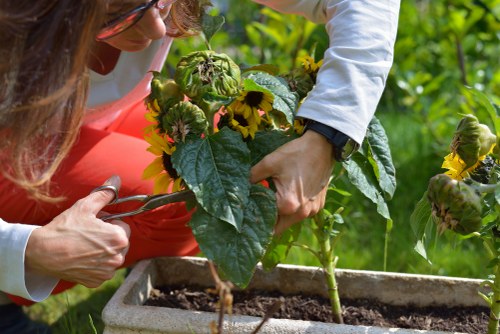
Timing is a major factor in hedge care. Hedge trimming in Mitcham is usually best scheduled during active growth periods, but the exact timing depends on the plant species and the desired look. Some hedges respond well to multiple trims per year, while others should be cut back only once or twice to avoid stress.
A useful rule is to trim hedges before they become too large for the space they occupy. This prevents the need for drastic cutting later on. Light, regular hedge cutting is often healthier than waiting too long and then removing a large amount at once. In many gardens, late spring and late summer are common times for hedge shaping, though some evergreen hedges may need attention more frequently.
It is also wise to consider nesting birds and seasonal conditions. In many cases, hedge trimming should avoid periods when wildlife may be using the hedge for shelter or nesting. Wet weather can also affect the quality of the cut and make cleanup more difficult. The best trimming schedule balances plant health, safety, and local environmental awareness.
Signs Your Hedge Needs Trimming
Many gardeners are unsure when a hedge has gone from healthy to overgrown. Fortunately, there are clear signs that hedge trimming is due. If the hedge is starting to lose its shape, spill into walkways, or block windows, it is likely time for maintenance. In Mitcham, where many homes value neat front gardens and usable outdoor areas, these signs are easy to spot.
Look out for the following indicators:
- Branches extending beyond the intended boundary
- Uneven growth or lopsided shape
- Patchy foliage caused by poor airflow
- Hedges becoming too wide at the base or top
- Reduced access to paths, driveways, or garden features
- Dead or woody sections that need selective pruning
If a hedge is no longer responding well to light shaping, it may need a more strategic reduction or restoration trim. Ignoring these signs can make future hedge trimming more difficult and more expensive.
Tools and Techniques Used for Quality Hedge Trimming
Proper hedge trimming depends on the right tools and techniques. Professional gardeners and experienced homeowners often use hedge trimmers, secateurs, loppers, and pruning saws depending on hedge size and thickness. For tall or broad hedges, extended-reach equipment can help achieve a level cut without damaging the surrounding area.
Technique is just as important as tools. Good hedge trimming typically involves starting with the sides and then finishing the top. This helps maintain a consistent profile and prevents the hedge from becoming top-heavy. A slight taper from top to bottom is often recommended so the lower branches still receive light and stay healthy. This shape is especially helpful for formal boundary hedges.
Precise trimming also avoids overcutting. Cutting too far into older wood can leave a hedge looking thin or bare for months. The best results come from small, controlled cuts that respect the natural structure of the plant. This is why many property owners in Mitcham choose experienced hedge care rather than attempting major reshaping alone.
Hedge Trimming for Front Gardens, Back Gardens, and Boundary Lines
Different parts of a property call for different hedge trimming approaches. Front garden hedges usually need a clean, welcoming look that complements the home. These hedges are often kept at a consistent height so they define the property without blocking visibility. A tidy front hedge can dramatically improve curb appeal and create a strong first impression.
Back garden hedges often serve a privacy function. In these cases, hedge trimming in Mitcham may focus on preserving screening while keeping the hedge under control. This means reducing excessive height or width without compromising coverage. Privacy hedges should remain dense, but not untamed.
Boundary hedges present another common challenge. They often sit close to fences, neighbouring properties, or access points, which makes accurate trimming important. Keeping boundary hedges neat can help prevent disputes, preserve shared space, and maintain a pleasant look on both sides of the property. When boundaries are clean and well maintained, the whole street benefits.
Why Shape Matters in Hedge Trimming
The shape of a hedge affects more than appearance. A well-shaped hedge allows light to reach lower leaves, supports even growth, and reduces the risk of thinning at the base. In Mitcham gardens, where hedges often form a key part of the landscape design, shape can determine whether a garden feels ordered or overrun.
Common hedge shapes include flat tops, rounded profiles, and gently tapered sides. Formal gardens often suit straight lines and crisp edges, while softer landscape designs may benefit from a more natural outline. The right shape should match the style of the property and the growth habit of the hedge.
Shaping also matters for visibility. Hedges near driveways, corners, and pedestrian areas should be trimmed carefully to avoid blocking sightlines. This is not only a visual issue but also a practical one. Good hedge trimming improves both the beauty and functionality of a garden.
Seasonal Hedge Care in Mitcham
Seasonal changes have a direct influence on hedge growth, and hedge trimming in Mitcham should reflect the time of year. Spring often brings rapid new growth, which can make hedges look untidy quickly. Summer is a popular period for shaping and tidying, while autumn trimming may help prepare the garden for winter. In colder months, trimming should be more cautious and selective.
Seasonal hedge care often includes more than just cutting. It may involve clearing clippings, checking for disease, removing damaged branches, and assessing whether the hedge is receiving enough water and nutrients. Trimming works best when it is part of a wider maintenance routine.
Some gardeners also combine hedge cutting with lawn edging, shrub pruning, and general garden tidy-ups to keep the property looking polished. By planning hedge maintenance around the seasons, it becomes easier to maintain consistent results year-round.
Safety Considerations During Hedge Trimming
Safety should always be a priority during hedge trimming. Even small jobs can involve sharp tools, falling debris, and unstable footing if the hedge is tall or uneven. This is why many people prefer professional hedge trimming services, especially for difficult access areas or large properties.
Basic safety practices include wearing gloves, eye protection, and sturdy footwear. It is also important to inspect the area before cutting. Hidden wires, fences, rocks, and wildlife can all create problems if not noticed in advance. Safe hedge maintenance starts with careful observation and the right equipment.
For very tall hedges, working from ladders or elevated platforms can increase risk. In these situations, professional assistance is often the smartest option. Well-managed hedge trimming should never come at the cost of personal safety or property damage.
Environmental Benefits of Well-Maintained Hedges
Hedges do more than improve appearance. They can also support local wildlife, reduce wind exposure, and act as natural privacy screens. In Mitcham, a healthy hedge can become part of a more sustainable garden design. When trimmed responsibly, hedges can still provide shelter for birds and insects while remaining tidy and controlled.
Good hedge trimming in Mitcham can help maintain a balance between landscaping and biodiversity. Rather than removing habitat value, thoughtful maintenance preserves structure and encourages healthy regrowth. A well-kept hedge can be both attractive and environmentally useful.
Hedges also help define greener spaces in urban and suburban settings. They soften hard landscaping, reduce visual clutter, and make gardens feel more established. In the right setting, hedge care contributes to a cleaner, calmer, and more natural outdoor environment.
Hedge Trimming Mistakes to Avoid
Although hedge trimming may seem straightforward, a few common mistakes can cause long-term problems. One of the biggest is cutting too much at once. Severe reduction can leave the hedge stressed, thin, and slow to recover. Another issue is using blunt tools, which can tear stems rather than create clean cuts.
Other mistakes include trimming at the wrong time of year, ignoring the natural growth habit of the hedge, and failing to maintain symmetry. Hedges that are repeatedly cut into the same shape without regard for growth can become hollow or misshapen over time. Patience and consistency usually produce better results than aggressive cutting.
It is also important not to let clippings build up around the base. Debris can trap moisture and make the area look untidy. Careful cleanup is part of effective hedge trimming, not an optional extra.
Choosing the Right Hedge Trimming Approach for Your Property
Every garden is different, so the ideal hedge trimming approach depends on the size of the hedge, its purpose, and the overall style of the property. Some homeowners want crisp geometric lines, while others prefer a softer natural look. In Mitcham, the best hedge maintenance plan often reflects both the local environment and the character of the home.
A practical approach may involve a mix of routine trims, selective pruning, and occasional reshaping. Smaller hedges may only need light attention, while larger or older hedges may require more involved care. Matching the service to the garden ensures better long-term results.
It is also helpful to think about future growth. Hedges should be trimmed with the next season in mind, not just the current appearance. Good planning keeps hedges healthy, balanced, and easier to manage later on.
Why Local Knowledge Helps with Hedge Trimming in Mitcham
Local knowledge can make a noticeable difference in hedge trimming results. A gardener familiar with Mitcham understands the mix of property styles, common hedge species, and seasonal growth patterns in the area. This experience helps create better timing, cleaner results, and more suitable maintenance plans.
Local conditions also affect how hedges respond to trimming. Soil type, sun exposure, wind, and nearby structures can all influence growth rate and density. Hedge trimming in Mitcham is most effective when it takes these conditions into account.
Whether the hedge is part of a suburban boundary, a formal front garden, or a larger landscaped space, local experience helps keep maintenance efficient and effective. That means healthier hedges and a more attractive property with less guesswork.
Final Thoughts on Hedge Trimming in Mitcham
Hedge trimming in Mitcham is one of the most valuable garden maintenance tasks for keeping properties tidy, attractive, and functional. Regular trimming supports healthy growth, improves shape, and helps hedges serve their purpose, whether that is privacy, decoration, or boundary definition. When hedges are maintained properly, the whole garden benefits.
From small front garden shrubs to large screening hedges, the right trimming approach can transform the appearance of an outdoor space. Consistent hedge care is easier, safer, and more effective than waiting for overgrowth to take over. That is why many homeowners choose to schedule regular maintenance rather than deal with major corrective work later.
If your hedge is beginning to look overgrown, uneven, or difficult to manage, now is the right time to take action. Contact us today or Book your service now to keep your garden looking its best all year round. With the right hedge trimming in Mitcham, you can enjoy a cleaner, greener, and more polished outdoor space.

